ABOUT
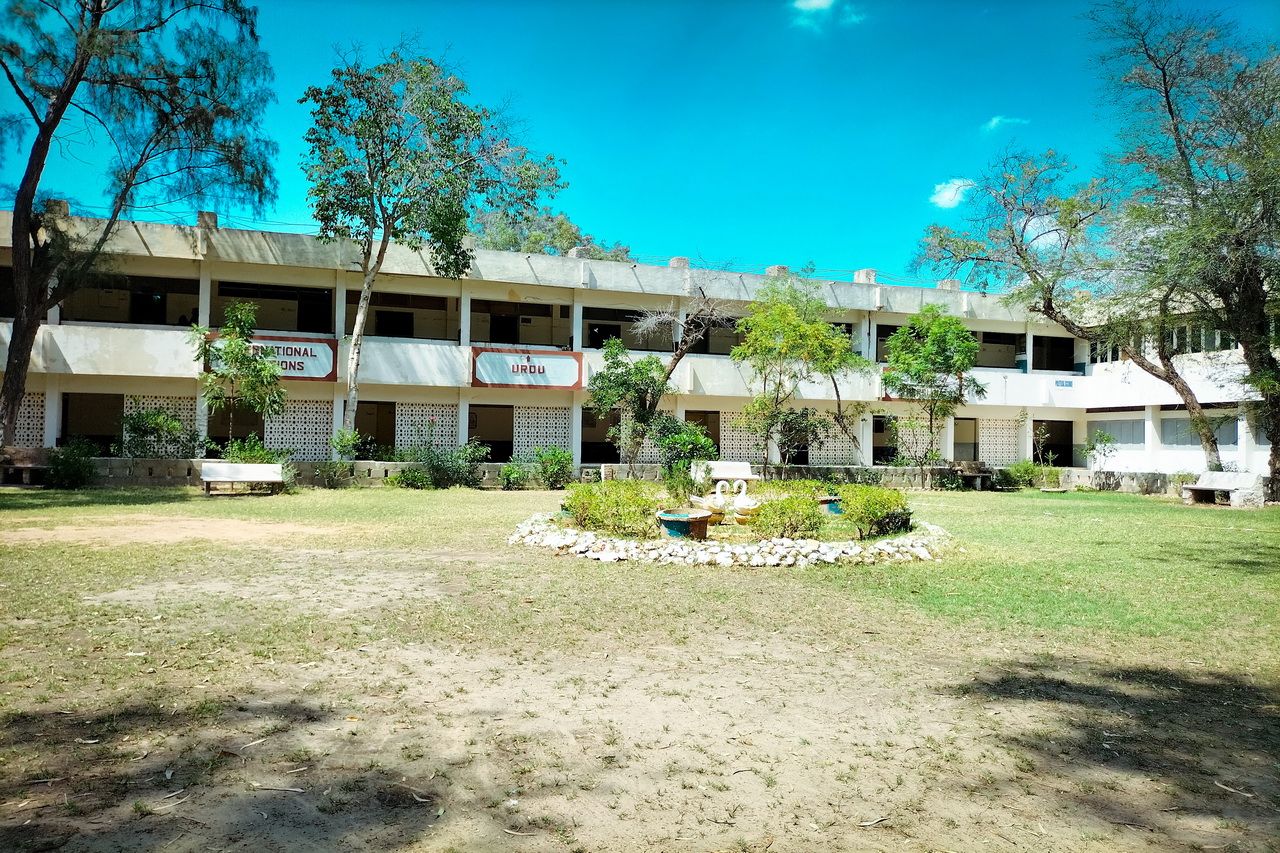
Department of Urdu
The Department of Urdu at the University of Sindh has a long and distinguished tradition of teaching, research, and literary scholarship. It started functioning in the academic year 1952–53 at the Elsa Kazi Campus, Hyderabad. Professor Qazi Ghulam Murtaza was its first Chairman, followed by Prof. Dr. Ghulam Mustafa Khan.
The Department has a strong tradition of postgraduate teaching and research. M.Phil. and Ph.D. research was initiated in 1956, establishing an important foundation for advanced studies in Urdu language and literature. Over the years, the Department has produced a number of distinguished scholars through its postgraduate programmes, including scholars who have made notable contributions to Urdu language, literature, and research. The Department has also awarded the D.Litt. degree.
Research and publication have remained important components of the Department’s academic tradition. Its first annual research journal, Sareer-e-Khama, was published in 1960. The Department’s research journal TAHQIQ was first published in 1987 and has established a significant place in Urdu literary and research scholarship. Forty issues of TAHQIQ have been published, providing a scholarly platform for research in Urdu language and literature.
The Department has a rich tradition of academic and literary activities. It regularly organizes seminars, lectures, and scholarly gatherings. The Dr. Ghulam Mustafa Khan Seminar is organized regularly, while the Dr. Najam-ul-Islam Lecture Series provides an opportunity for eminent scholars to share their knowledge and research with students, teachers, and researchers.
The Department currently offers programmes in Urdu at undergraduate and postgraduate levels. The BS Urdu programme provides systematic study of Urdu language, linguistics, classical and modern Urdu literature, literary genres, literary criticism, creative and academic writing, media, and relevant contemporary areas. The programme develops students’ knowledge of Urdu language and literature, linguistic and literary analysis, critical and creative thinking, research skills, communication, and appropriate use of digital resources. It also provides opportunities for practical learning through internship/field work and a capstone project.
As Pakistan’s national language, Urdu receives due attention in the academic, literary, linguistic, and research activities of the Department. Through its teaching, research, scholarly publications, and literary activities, the Department continues to contribute to the study, preservation, and promotion of Urdu language and literature.